Posted on 12/19/2025
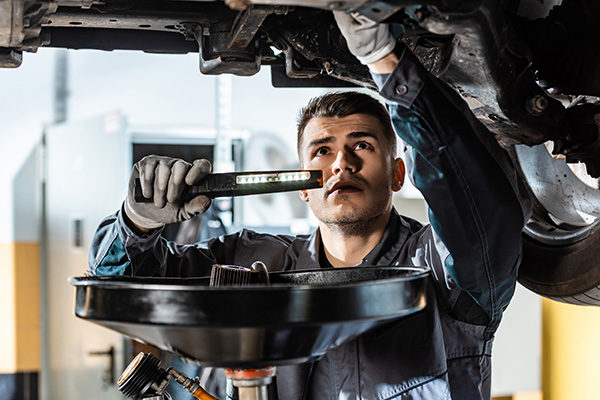
Cold mornings and hot summer highway runs both put your engine oil to work in different ways. If you treat every season the same, the oil might still look fine on the dipstick, but it can be thinning, thickening, or breaking down faster than you expect. A few seasonal adjustments help your engine stay protected all year instead of just surviving to the next sticker date. Why Seasons Matter for Your Engine Oil Engine oil has to flow quickly on cold start, resist thinning when it is hot, and carry away contaminants from combustion. Temperature swings change how well it can do each of those jobs. In colder months, oil thickens, and your engine relies heavily on its “winter” rating so it can circulate right after you turn the key. Summer heat pushes in the other direction. Long drives, high speeds, and hot pavement raise oil temperatures and test the “weight” of the oil at operating temperature. We look at seasonal conditions because the same oi ... read more
Posted on 11/28/2025
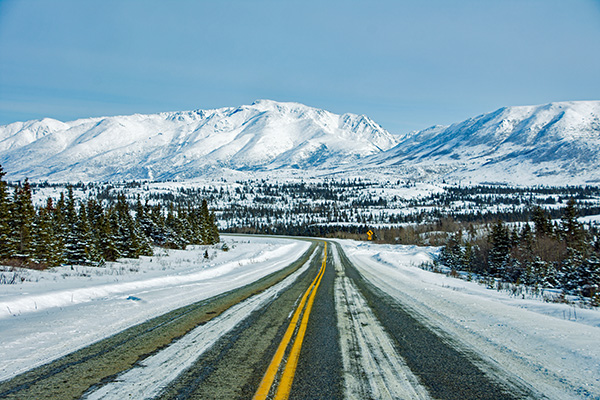
Winter driving changes the rules for stopping. Rubber hardens, road surfaces lose texture, and moisture turns to a slick film that behaves nothing like dry pavement. If braking feels longer and less predictable in cold weather, it is not your imagination. Here is what is happening and how to get your stopping distance back under control. Why Cold Surfaces Make Stopping Take Longer Braking relies on friction between the tire and the road. In winter, two things work against you. First, low temperatures stiffen tire rubber, so the tread conforms less to the tiny peaks and valleys in the surface. Second, ice, packed snow, and even wet, cold asphalt reduce the micro roughness your tires can grab. The result is a smaller friction window, especially in the first few minutes of driving before tires warm slightly. We see drivers surprised by how different the same car feels at the same speed once the thermometer drops. What ABS Helps With, and What It Does Not ... read more
Posted on 10/31/2025
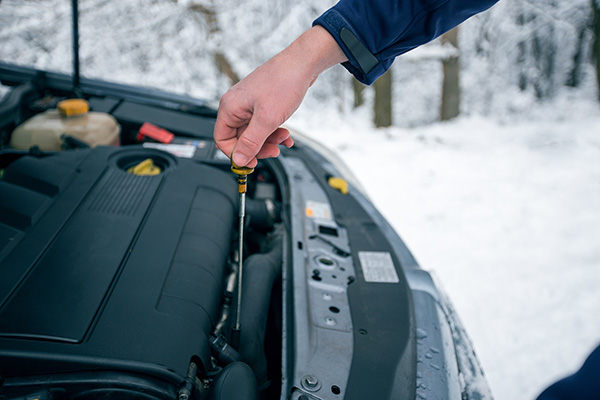
The first real snowfall in Saskatoon arrives with a mix of excitement and reality checks. Tires spin on that thin layer of early-season ice, windows fog up faster than you remember, and small maintenance items reveal themselves at the worst time. A short, focused checklist now will save headaches when temperatures dive and roads glaze over. Here are the eight items most drivers overlook before winter takes hold. 1. Battery Health Under Real Cold Loads A battery that seems fine in October can struggle in November. Cold weather thickens oil and raises the current needed to turn the engine. If cranking speed sounds slower than last winter, get the battery tested with a proper load test, not just a voltage check. Clean the terminals, inspect the ground strap to the body, and confirm the alternator is charging within spec. Weak batteries often fail on the first subzero morning, which is why this check comes first. 2. Tire Tread, Pressures, and True Winter Rubber ... read more
Posted on 9/26/2025
A freezing car cabin in the middle of a Canadian winter makes driving uncomfortable, more difficult, and unsafe. If your car’s heater suddenly stops working or only blows cold air, it’s a sign that something in the system isn’t functioning correctly. The heater relies on several components working together to warm the air and direct it into your vehicle. When one of those parts fails, you feel it immediately. These are the five most common reasons your heater is not doing its job when you need it most. 1. Low or Leaking Coolant Your car’s heating system uses engine coolant to create warm air. The hot coolant flows through the heater core, which acts like a mini radiator inside your dashboard. When the blower fan passes air over it, that warm air gets pushed into the cabin. If your coolant level is too low, there won’t be enough hot fluid circulating to warm up the heater core. Leaks in hoses, the radiator, or the water pump can cause t ... read more