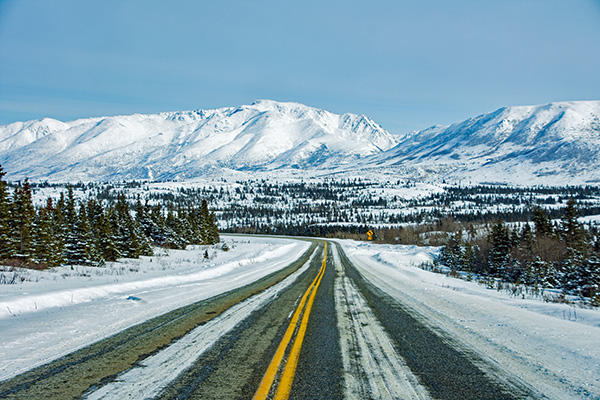
Winter driving changes the rules for stopping. Rubber hardens, road surfaces lose texture, and moisture turns to a slick film that behaves nothing like dry pavement. If braking feels longer and less predictable in cold weather, it is not your imagination. Here is what is happening and how to get your stopping distance back under control.
Why Cold Surfaces Make Stopping Take Longer
Braking relies on friction between the tire and the road. In winter, two things work against you. First, low temperatures stiffen tire rubber, so the tread conforms less to the tiny peaks and valleys in the surface. Second, ice, packed snow, and even wet, cold asphalt reduce the micro roughness your tires can grab.
The result is a smaller friction window, especially in the first few minutes of driving before tires warm slightly. We see drivers surprised by how different the same car feels at the same speed once the thermometer drops.
What ABS Helps With, and What It Does Not
Anti-lock brakes prevent a full wheel lock so you can steer while braking. They are not a magic grip booster. On snow and ice, ABS cycles the brakes to keep tires rolling, which preserves control but can lengthen pure stopping distance compared to a gentle, steady squeeze by a skilled driver. If you feel the pedal pulsing, hold pressure and let the system work.
Do not pump the brakes on an ABS-equipped vehicle.
Tires Decide Most of Your Winter Stopping Distance
Compound and tread matter more than any other upgrade in cold weather. True winter tires use a softer rubber blend that remains flexible below freezing and sipes that bite into packed snow. All-weather tires are a decent compromise if you cannot swap seasonally. Summer or performance all-season tires lose a lot of grip as temperatures fall, even when roads look dry.
Pressure is critical too. Cold air lowers pressure overnight, shrinking the contact patch and adding distance. Set pressures to the driver-door label when the tires are cold and recheck after a temperature swing.
Three Winter Surfaces and How They Change Your Plan
Glare ice is the worst case. Expect very long stopping distances, even from modest speeds. Reduce speed early and keep inputs small. Packed snow offers more bite than ice, especially with proper tires. You can brake a bit harder in a straight line, then ease off to steer. Slush creates uneven grip across the lane and can pull the car as one side grabs and the other hydroplanes.
Brake earlier and straighter, then bleed off speed before changing lanes through the slush ridge.
Technique Tweaks That Shorten Real-World Stops
Keep your vision up and use an earlier, smoother pedal application. A gentle initial squeeze plants the tire and lets the tread interlock with the surface before you build pressure. On longer downhills, downshift a gear in automatics with a manual mode to use mild engine braking, then apply short, firm pedal presses to manage speed without boiling the pads.
If you must slow in a curve, straighten the wheel a touch, reduce throttle, and brake lightly, then finish braking in a straight line.
Common Mistakes That Steal Grip
- Tailgating out of habit from summer driving, which leaves no margin when ABS activates.
- Slamming the pedal at the last moment, which overwhelms available grip, triggers long ABS cycling, and lengthens stopping.
- Relying on worn tires or mismatched pairs front to rear; the car will not stop or track straight.
- Skipping pressure checks; even a few psi low increases distance measurably in the cold.
- Leaving salt and slush to corrode brake hardware; sticky slide pins and uneven pad wear reduce stopping power right when you need it.
Prep That Pays Off Before the Next Storm
Fresh, correct-spec brake fluid resists moisture-related boiling and keeps ABS valves happy. Clean, evenly worn pads and true rotors give predictable pedal feel, which matters on slick surfaces. An alignment after pothole season keeps the car straight under braking so you do not waste grip correcting a drift.
We can measure pad thickness, rotor runout, and brake hose condition, then set tire pressures and inspect for seized slide pins so the system responds the way it should. Two small upgrades also help in winter: new wiper blades to keep sightlines clear and a thorough headlight aim check so you can spot trouble sooner and brake earlier.
Get Winter Braking Confidence in Saskatoon, SK with Glenwood Auto Service
Want shorter, steadier stops when roads turn slick? Visit Glenwood Auto Service in Saskatoon, SK. We inspect brakes, set tire pressures, verify ABS-friendly fluid and hardware condition, and align the vehicle so it tracks straight when you need to slow down.
Schedule a winter brake and safety check today and drive into the cold season with confidence.