Posted on 11/28/2025
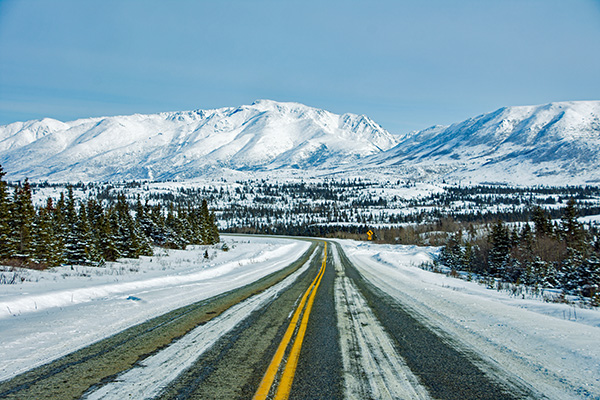
Winter driving changes the rules for stopping. Rubber hardens, road surfaces lose texture, and moisture turns to a slick film that behaves nothing like dry pavement. If braking feels longer and less predictable in cold weather, it is not your imagination. Here is what is happening and how to get your stopping distance back under control. Why Cold Surfaces Make Stopping Take Longer Braking relies on friction between the tire and the road. In winter, two things work against you. First, low temperatures stiffen tire rubber, so the tread conforms less to the tiny peaks and valleys in the surface. Second, ice, packed snow, and even wet, cold asphalt reduce the micro roughness your tires can grab. The result is a smaller friction window, especially in the first few minutes of driving before tires warm slightly. We see drivers surprised by how different the same car feels at the same speed once the thermometer drops. What ABS Helps With, and What It Does Not ... read more