Posted on 8/28/2026
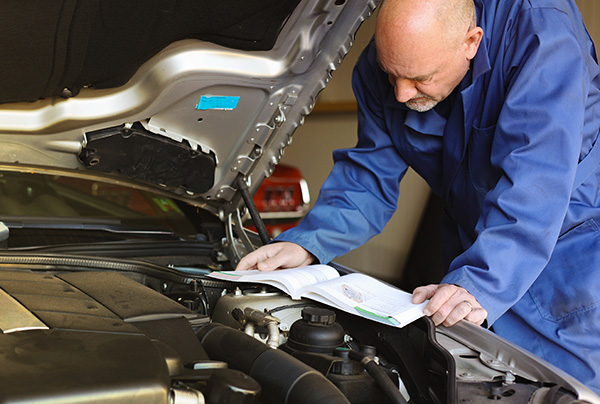
Large temperature swings place repeated stress on several parts of a vehicle. Tires lose or gain pressure as the air inside them changes temperature. Engine oil thickens in cold weather and thins as it heats. Coolant, transmission fluid, belts, hoses, seals, and batteries also respond to changing conditions. These effects are especially noticeable when daytime and nighttime temperatures differ sharply or when one season changes quickly into another. Understanding what changes are normal helps drivers recognize when a vehicle needs adjustment, maintenance, or repair. Why Tire Pressure Changes With Temperature Tire pressure drops as air temperature falls and rises as it warms. A common guideline is that tire pressure changes by about 1 psi for every 10 degrees Fahrenheit (or roughly 5.5 degrees Celsius) of temperature change. The exact amount varies, but the relationship is ... read more
Posted on 7/31/2026

Approving car repairs can feel uncomfortable when you do not fully understand what the vehicle needs. You may hear a list of parts, labor, fluid services, warning lights, and safety concerns, then have to decide what to approve right away. A good repair conversation should not feel rushed or confusing. You do not need to become a mechanic, but you should understand what failed, why it matters, how urgent it is, and what happens if you wait. Asking the right questions can help you make a better decision and feel more confident about the repair plan. What Is The Actual Problem? Start by asking what the shop found, not only which part is being recommended. A part name by itself does not always explain the issue. For example, “you need brakes” could mean thin pads, damaged rotors, a sticking caliper, old brake fluid, or a combination of several concerns. A clear explanation should connect the symptom to the finding. If the car came in for a noise, what caus ... read more
Posted on 6/26/2026

OEM parts have a strong reputation, and for good reason. They are built to match the vehicle’s original design, which sounds like the safest choice for any repair. Many drivers hear OEM and assume it automatically means better. That is not always how repairs work in real life. OEM parts can be the right choice, but aftermarket parts can also be excellent when the brand, fit, and application are right. The better option depends on the vehicle, the part being replaced, and what kind of performance you expect from the repair. What OEM Parts Really Offer OEM stands for original equipment manufacturer. These parts are made by the same company that supplied the original part for the vehicle, or they are built to the automaker’s exact specifications. That gives them a clear advantage in fit and consistency. For many repairs, OEM parts reduce uncertainty. The shape, mounting points, electrical connections, and material design should match what the vehicle came ... read more
Posted on 5/29/2026
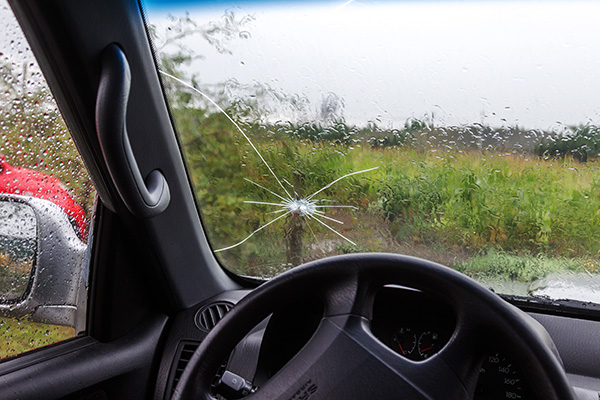
A small chip in the windshield can seem harmless at first. The glass is still in place, visibility doesn't seem affected, and the vehicle drives just fine. Then the weather changes, the road gets rough, or the crack starts spreading across the glass. Windshield damage is one of those problems where timing makes a big difference. Some chips can be repaired safely, while others need full windshield replacement. Knowing the difference helps you avoid wasted time and keeps the vehicle safer on the road. Size and Depth Help Decide the Next Step Damage size is one of the first things technicians look at. Small chips are often good candidates for windshield repair, especially if the damage has not spread and the outer glass layer is mostly intact. Repair works by filling the damaged area with resin so the glass regains strength and the chip becomes less noticeable. Depth is just as important as size. A windshield is made from layers of glass with a plastic layer betwe ... read more
Posted on 4/30/2026

A lot of car repairs start small. The vehicle is still running, still getting through the week, and still easy enough to keep driving a little longer. Then winter hits harder, the roads get rougher, or one worn part starts pulling another into the same problem. Canadian driving speeds that up. Cold starts, potholes, road salt, snow, slush, and stop-and-go traffic all wear on the same systems again and again. 1. Brake Repairs Brake work stays high on the list for a reason. Pads and rotors wear on every vehicle, but Canadian winters make the job tougher. Moisture, salt, and road grime can get into the brake system, causing faster wear, noise, sticking parts, and rougher stops. A brake issue might start as a squeal or a small vibration. Leave it alone too long, and the repair bill gets bigger. 2. Battery Replacement Cold weather is hard on batteries. A battery that feels fine in mild weather can struggle fast when temperatures drop, and the engine n ... read more
Posted on 3/29/2026
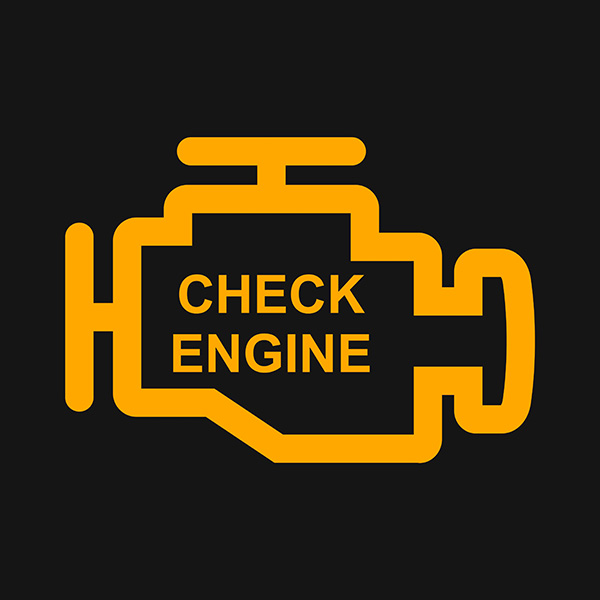
A check engine light can be frustrating when the car seems to drive normally. No shaking, no strange smells, no obvious loss of power, just that glowing reminder on the dashboard that something is not quite right. In most cases, the vehicle is still safe to drive. Still, the light is telling you the engine computer noticed something outside its expected range. Sometimes it is minor, sometimes it is the first hint of a problem that will get worse later. The goal is to figure out which category you are in. Why The Check Engine Light Turns On Your car’s computer monitors sensors that measure airflow, fuel control, emissions performance, and component operation. When it sees a value that is consistently abnormal, it stores a fault and turns the light on. That can happen even when the car feels fine because many faults affect emissions more than drivability at first. It can also happen intermittently ... read more
Posted on 2/26/2026

Hybrid vehicles are becoming increasingly popular across Canada, including here in Saskatoon, SK. With rising fuel costs and growing environmental awareness, many drivers are choosing hybrids for their improved fuel efficiency and lower emissions. While hybrids share many components with conventional gas-powered vehicles, they also include unique systems that require specialized maintenance. If you drive a hybrid, understanding what maintenance is specific to your vehicle can help you protect your investment and ensure reliable performance—especially during Saskatchewan’s extreme seasonal temperatures. How Hybrid Vehicles Are Different Hybrid vehicles combine a gasoline engine with an electric motor and a high-voltage battery pack. Depending on driving conditions, the vehicle may operate on electric power alone, gasoline power alone, or a combination of both. This setup improves fuel efficiency and reduces emissions, particularly in city driving. However, the addition o ... read more
Posted on 1/30/2026

Winter roads can make a good car feel worn out in a hurry. One week it tracks straight, the next week it pulls, wanders, or feels like it never quite settles. Potholes, frost heaves, and ice ruts do more than annoy you. They can knock alignment out of spec, loosen components, and start uneven tire wear that keeps getting louder and rougher as the weeks go by. Why Winter Roads Change How Your Car Drives Alignment angles are measured in small increments, and it does not take much to knock them off. A pothole hit, a curb tap hidden under snow, or dropping into a deep rut can shift things just enough to start scrubbing tire tread. Scrub is what wears tires quickly, and it can also make the steering feel nervous. Winter driving also hides the early signs. On slick surfaces, you’re already making small corrections, so you might not notice the car drifting until you’re back on dry pavement. By then, the tires may have already started wearing unevenly. ... read more