Posted on 8/28/2026
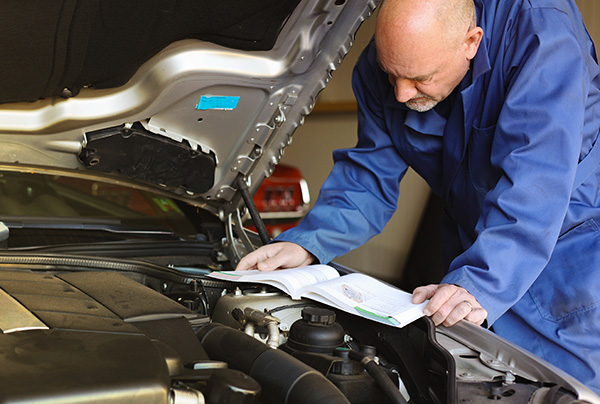
Large temperature swings place repeated stress on several parts of a vehicle. Tires lose or gain pressure as the air inside them changes temperature. Engine oil thickens in cold weather and thins as it heats. Coolant, transmission fluid, belts, hoses, seals, and batteries also respond to changing conditions. These effects are especially noticeable when daytime and nighttime temperatures differ sharply or when one season changes quickly into another. Understanding what changes are normal helps drivers recognize when a vehicle needs adjustment, maintenance, or repair. Why Tire Pressure Changes With Temperature Tire pressure drops as air temperature falls and rises as it warms. A common guideline is that tire pressure changes by about 1 psi for every 10 degrees Fahrenheit (or roughly 5.5 degrees Celsius) of temperature change. The exact amount varies, but the relationship is ... read more