The door handle moves, the latch releases, and the door still refuses to open on a freezing Saskatoon morning. Ice may be holding the rubber weatherstripping against the door frame. Pulling harder can tear the seal or separate it from its mounting before the frozen connection lets go.
The better approach is to release the ice carefully and reduce the moisture that caused it. A few habits before the next cold night can make the door easier to open without damaging the rubber.
Door Weatherstrips Freeze When Moisture Gets Trapped
Weatherstrips help seal the gap around the door against water, air, and noise. Moisture can remain on the rubber after washing, wet weather, or melting snow. When temperatures fall, that thin film can freeze between the seal and the surface it touches.
The latch may be working normally while the seal holds the door shut. That is different from a frozen lock or a latch that will not release. Notice whether the handle moves as usual and whether the door begins to separate slightly. Knowing where it is stuck helps you avoid putting extra force on the wrong part.
Pulling A Frozen Door Can Tear The Weatherstrip
Rubber is less flexible in cold conditions, and ice can grip it at several points around the opening. A hard pull may stretch one section while another remains attached. The result can be a torn edge, a separated mounting, or a seal that no longer sits in its intended shape.
Avoid repeatedly yanking the handle or prying between the door and the body. Do not use boiling water, which can create thermal stress and leave more water to freeze again. If the seal will not release gently, allow controlled warming or arrange help rather than trade a delay for damaged weatherstripping.
Gentle Door Opening Reduces Stress On The Seal
Where practical, try another door to access the vehicle without forcing the frozen one. Gentle inward pressure can sometimes help break a thin ice bond before you ease the door outward. Follow the vehicle's guidance, especially if the door has frameless glass or an automatic window movement when opening.
Stop pulling if the rubber is visibly stretching or the glass isn't moving as required. Use approved de-icing or warming methods carefully and only in the appropriate area. Never run an engine in an enclosed garage to warm a stuck door; exhaust can accumulate even while the repair seems minor.
Clean Door Seals Before Applying Protection
Dirt along the seal can hold moisture and interfere with even contact. Clean the weatherstrip and the surface it touches using products suitable for the vehicle, then dry them thoroughly. Pay attention to folds and lower edges where water can remain after the obvious surfaces look dry.
Also inspect any seal that is cracked, loose, or flattened. Cleaning cannot restore rubber that no longer seals properly. If the same door keeps freezing while the others open normally, look for a condition that is allowing more moisture into that opening rather than assume every door needs more product.
Weatherstrip Protection Should Be Compatible With The Rubber
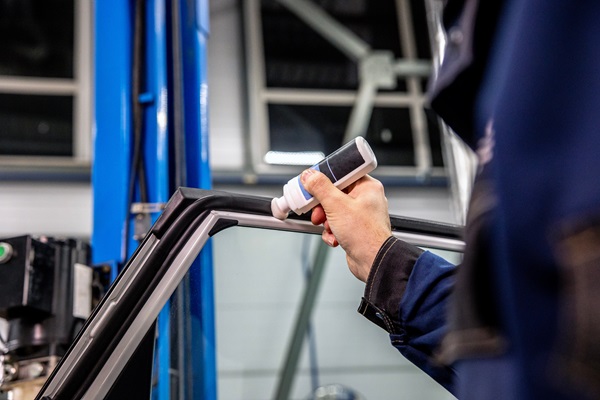
Some manufacturers recommend a suitable silicone-based or other approved treatment for door seals. Use the product and application method appropriate for your vehicle, and avoid coating the surrounding glass or interior surfaces unnecessarily. A thin, controlled treatment is different from soaking the whole opening.
Generic oils, solvents, and household products are not automatically safe for weatherstrip materials. They can leave unwanted residue or be incompatible with the rubber. Ask for the correct recommendation if you are unsure. The aim is to reduce sticking while preserving the seal's condition and fit.
Door Fit And Drainage Can Affect Repeated Freezing
A poorly fitting door or displaced weatherstrip can let water collect where it should not. Drain openings also need to stay clear, as designed for the vehicle. Repeated wetness along one section of the seal can provide a clue about where to inspect.
Do not cut the weatherstrip or add holes to solve the problem. That can create leaks and wind noise without correcting the water path. A proper inspection checks how the seal sits, how the door meets the opening, and whether water is being retained or entering elsewhere.
Winter Door Care Starts Before The Overnight Freeze
After a winter wash, dry the door openings and seals before leaving the vehicle in freezing temperatures where possible. Remove packed snow around the edges, and check that the weatherstrip has not rolled or lifted out of place when the door closes.
If a seal has already torn, have the damage assessed before more water reaches the opening. Even a small damaged section can affect sealing, even if the door now opens easily. Regular maintenance is a useful time to mention repeated sticking, wet carpets, or new wind noise so the related problem can be checked.
Get Door Seal Inspection In Saskatoon, SK, With Glenwood Auto Service
If a door keeps freezing shut or the weatherstripping is damaged, Glenwood Auto Service in Saskatoon, SK, can inspect the seal, door fit, and related moisture concerns.
Contact us to schedule a door weatherstrip inspection before the next cold night.